
3 Proven Ways HVAC Contractors Can Reduce Pollution Risk and Protect Their Business
by

on December 29, 2025
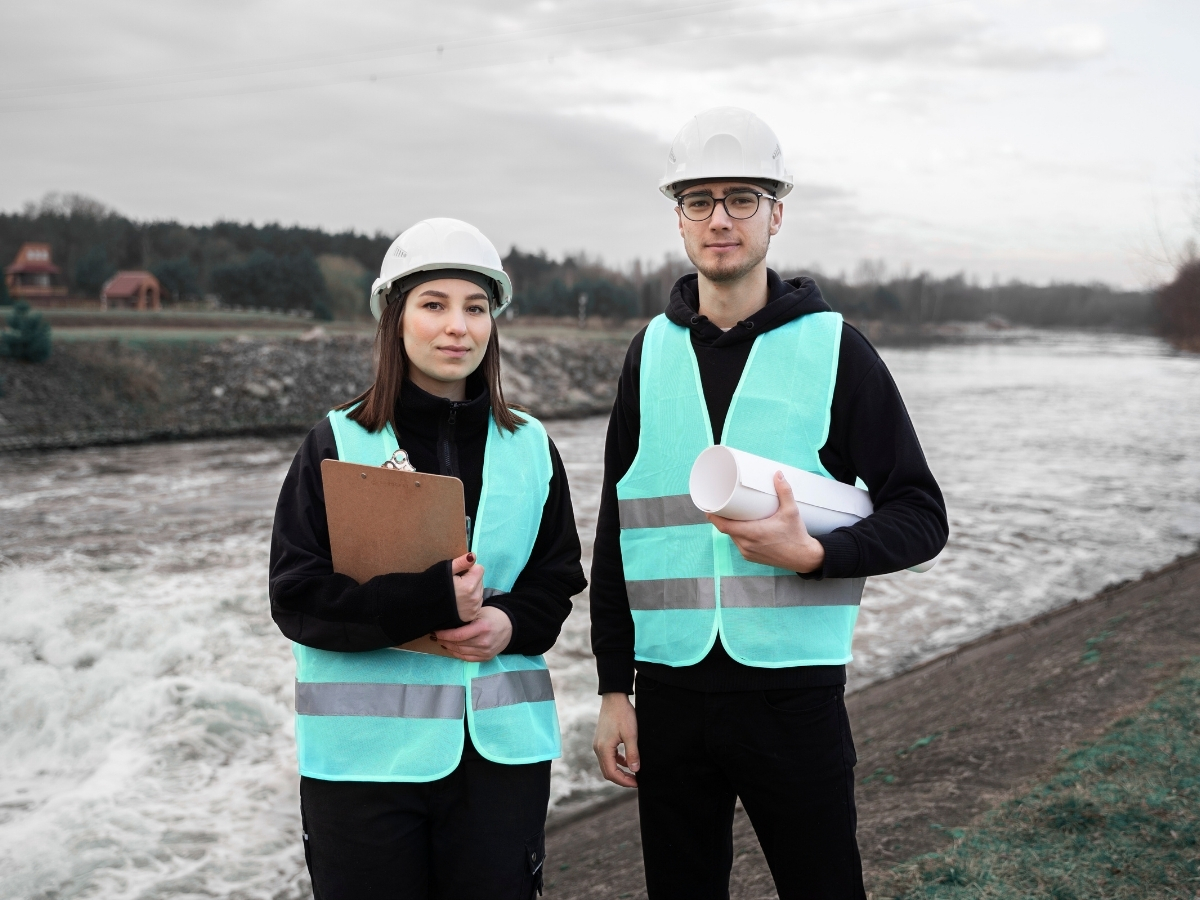
3 Ways HVAC Contractors Reduce Pollution Exposure
In the HVAC industry, environmental safety and pollution control are not just compliance issues — they’re essential to protecting your reputation, your clients, and your bottom line. From refrigerant leaks to improper waste disposal, even small mistakes can result in big cleanup costs, legal challenges, or regulatory penalties.
While Contractors Pollution Liability (CPL) insurance is designed to protect your business when accidents happen, the smartest HVAC professionals know that the best defense starts with prevention. Reducing pollution exposure not only helps prevent costly claims but also builds trust with customers and demonstrates a commitment to responsible business practices.
Here are three proven ways HVAC contractors can reduce their pollution exposure and keep both claims and costs low.
1. Label and Store Chemicals Properly
Few industries handle as many potentially hazardous materials as HVAC. Between refrigerants, solvents, lubricants, and cleaning chemicals, every job site presents an opportunity for an accidental release or contamination event.
Why Chemical Storage Matters
Refrigerant leaks, in particular, pose significant environmental risks. Certain refrigerants contribute to ozone depletion or greenhouse gas emissions if released into the atmosphere. A single leak can also trigger state and federal reporting obligations — and in some cases, lead to EPA fines.
Improperly stored chemicals can also contaminate soil or water if containers are punctured or disposed of incorrectly. These incidents often fall under “pollution conditions” that are excluded from standard general liability policies — meaning you’d be responsible for the cleanup costs out of pocket unless you have CPL coverage.
Best Practices for Safe Chemical Handling
Smart HVAC contractors reduce risk by implementing clear chemical management procedures:
- Label every container clearly — Use durable, weatherproof labels that identify the chemical name, hazard warnings, and safety instructions.
- Use proper containment — Store chemicals in approved containers, preferably within secondary containment trays or cabinets designed for hazardous materials.
- Separate incompatible materials — Keep acids, bases, and flammable solvents apart to prevent chemical reactions or cross-contamination.
- Inspect regularly — Conduct routine checks for leaks, rust, or corrosion on storage containers and hoses.
- Train your team — Ensure all technicians are trained in EPA Section 608 refrigerant handling standards and OSHA’s Hazard Communication requirements.
These steps not only help you stay compliant but also significantly lower the likelihood of a pollution incident that could disrupt your business.
2. Ventilate and Isolate Work Areas
Pollution exposure doesn’t always come from chemicals — sometimes it comes from the work environment itself. When HVAC systems are installed, repaired, or cleaned, contractors can inadvertently release dust, mold, or airborne particles into occupied spaces.
The Hidden Risks of Poor Ventilation
Without proper containment, microscopic pollutants can spread through ductwork or open areas, exposing building occupants to respiratory hazards. In commercial or residential buildings, this can lead to indoor air quality complaints, health claims, or even mold-related lawsuits.
These exposures can also create cleanup liabilities under environmental laws — especially if contaminated materials are released into the air or neighboring properties.
How to Control Airborne Pollutants
To reduce these risks, professional HVAC contractors take a systematic approach to job site containment and ventilation:
- Isolate the work area — Use plastic barriers, negative air machines, and sealing tape to contain dust or debris.
- Use proper ventilation — Employ local exhaust systems or HEPA filtration units to capture pollutants at the source.
- Monitor air quality — Use portable meters or sensors to test for particulate matter, humidity, and mold levels during and after work.
- Follow mold remediation standards — If mold or mildew is found in ductwork or insulation, follow EPA and NADCA (National Air Duct Cleaners Association) remediation protocols.
- Educate your team — Train workers on ventilation best practices and proper PPE (personal protective equipment) usage.
These practices not only safeguard indoor environments but also protect your technicians’ health — an important consideration for worker safety and liability control.
3. Document Inspections and Disposal Procedures
Even when you do everything right, documentation is your strongest defense. In pollution-related incidents, being able to prove you followed environmental controls can make the difference between a covered claim and a denied one.
Why Documentation Protects You
Insurance carriers and regulators rely heavily on documentation to determine liability and compliance. If a claim arises — for example, from a refrigerant release or a mold complaint — your ability to show maintenance logs, disposal records, and inspection forms will demonstrate that your company acted responsibly.
Without that proof, you could face disputes, delays, or even out-of-pocket costs if the event is interpreted as negligence.
What to Record and Keep
Your documentation process should include:
- Chemical inventory logs — Keep a record of all chemicals used, their storage locations, and disposal dates.
- Disposal manifests — Maintain signed receipts from licensed waste disposal vendors to confirm safe, compliant handling of hazardous materials.
- Site inspection reports — Record findings from each project site, including before-and-after photos, ventilation setup, and any environmental controls used.
- Maintenance and leak testing records — Document all refrigerant recovery, recycling, or disposal activities per EPA requirements.
- Incident reports — Even minor spills or releases should be documented, including who responded, cleanup steps taken, and results.
Digital tools can simplify this process. Many HVAC contractors now use mobile inspection apps and cloud-based platforms to upload and timestamp records in real time. These systems not only improve compliance but also ensure your documentation is readily available if an incident occurs.
When Prevention Isn’t Enough — CPL Insurance Steps In
Despite your best efforts, accidents can still happen. A small refrigerant leak could spread before detection. A subcontractor might mishandle waste during transport. Or a customer might allege that your work contributed to poor air quality.
When that happens, Contractors Pollution Liability (CPL) insurance is your financial safety net. CPL policies help cover:
- Cleanup and remediation costs for pollution events
- Bodily injury or property damage claims resulting from contamination
- Legal defense expenses and regulatory fines
- Emergency response costs for sudden releases
Without CPL insurance, you could be forced to pay these expenses yourself — and in severe cases, one incident could jeopardize your entire business.
By carrying robust CPL coverage, you ensure that when something does go wrong, your coverage, not your checkbook, takes the hit.
Protect Your HVAC Business Today
Environmental risks are part of doing business in the HVAC industry — but with the right prevention strategies and insurance protection, you can manage them confidently.
By properly labeling and storing chemicals, maintaining clean and ventilated workspaces, and documenting every inspection and disposal, you’ll significantly reduce your exposure to pollution-related claims. And when the unexpected happens, Contractors Pollution Liability insurance ensures you’re financially protected.
Call Defy Insurance Agency at 877-780-4626 to get a free quote or schedule a policy review today.
https://app.choosecadre.com/briza/0?isForm=true
Defy Insurance Agency helps HVAC professionals nationwide safeguard their businesses, meet compliance requirements, and stay focused on what matters most — keeping customers comfortable and your operations running safely and efficiently.
Related Articles

3 Liability Risks Plumbing Contractors Face | Defy Insurance
Protect Your Plumbing Business from Costly Liability Claims

3 Workers’ Comp Mistakes Contractors Must Avoid | Defy Insur...
Avoid Expensive Workers’ Comp Mistakes and Protect Your Contracting Business
Get In Touch
Become our partner and enjoy all the premium features.
Why Defy?
Industries
Products


Copyright © 2026 Defy Insurance